Review: Personalized Princess Castle Cake Topper Design
When I first pulled up the Personalized Princess Castle Cake Topper on my screen, my initial reaction wasn't just about the cute factor; it was an immediate assessment of its potential as a functional embroidery project. As a designer who spends hours tweaking digital embroidery files for clients, I look past the preview image to see how the lines will translate into thread. This design carries a whimsical, fairytale mood that is perfect for nursery decor or birthday celebrations, but the real question is whether it holds up under the needle when applied to actual garments and goods.
First Impressions and Visual Personality
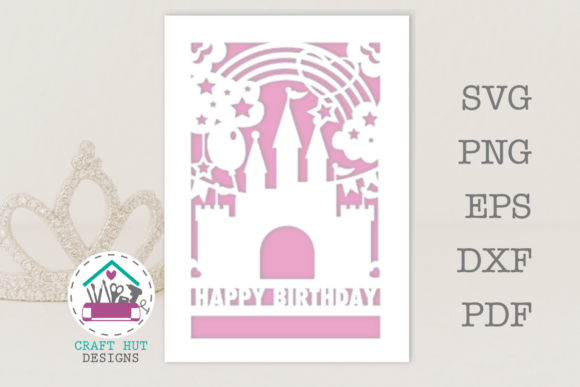
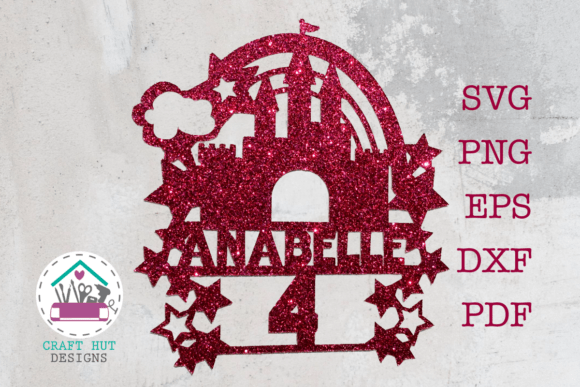
The silhouette of the castle is clean and recognizable, which is crucial for any machine embroidery design intended for personalization. The layout features a prominent space for adding a name, a detail that immediately signals its utility for custom apparel and personalized gifts. Visually, the design balances open space with defined edges, suggesting a mix of fill stitch for the main body and potentially satin stitch for the outlines. This combination usually yields a professional look, provided the stitch density is managed correctly. For a craft business owner, this visual clarity means the finished product will look high-end rather than homemade in the negative sense.
Real-World Application Scenarios
To truly evaluate this asset, I imagined a specific client request: a boutique order for a set of matching sibling sweatshirts for a third birthday party. In this scenario, the Personalized Princess Castle Cake Topper would be stitched onto the chest of a soft, fleece-lined sweatshirt embroidery project. The fairy tale theme fits perfectly here. However, because the original product description mentions Cake Toppers and Laser Cutting, using this as an embroidery file requires a shift in thinking. We are moving from rigid acrylic or wood to flexible fabric.
On a tote bag, this design would shine as a central focal point. The flat surface of a canvas tote bag design allows for maximum detail retention. If I were creating an embroidered patch to sew onto a denim jacket, the distinct borders of the castle would make for a crisp edge, preventing the design from getting lost in the fabric texture. For baby embroidery, such as a onesie or a burp cloth, the scale would need to be reduced. This is where the integrity of the small details becomes critical. Can the turrets and flags remain distinct when scaled down to a 3-inch hoop? That is the first thing I would test.
Navigating Fabric and Hoop Challenges
Every designer knows that a great screen image can turn into a stitching nightmare if the substrate isn't right. When working with the Personalized Princess Castle Cake Topper, one must be cautious with textured fabrics. A heavy towel or a waffle-knit blanket might swallow the finer lines of the castle walls. In these cases, using a cut-away stabilizer is non-negotiable to prevent distortion over time.
Stretchy fabrics present another hurdle. If you are applying this to a fitted cap or a stretchy knit tee, the curvature of the surface can cause the columns of the castle to lean or the name text to warp. For holiday embroidery projects like stockings, which often have a plush pile, you might need to increase the stitch count slightly or use a topping to ensure the threads sit on top of the fibers rather than sinking in. Furthermore, dark fabrics require careful selection of thread colors. A light pastel castle might get lost on navy blue without a solid underlay or a contrasting border to make it pop.
Technical Considerations for Commercial Use
For Etsy sellers and small shop product creators, consistency is key to brand trust. If you plan to sell this as part of a line of commercial embroidery goods, you need to verify the file specifications before promising a delivery date. Does the file include multiple hoop size options? Is the lettering area editable in your software, or is it baked into the stitch file? Since the source material describes this as a laser cutting file, you must ensure you have the correct vector or stitch version for embroidery machines. Using a laser file for embroidery without conversion will result in failure.
Visual appeal directly impacts buyer engagement. A crisp, well-digitized castle tells the customer that you care about quality. Sloppy stitching on the fine points of the towers can undermine the perceived value of the entire handmade product. Therefore, inspecting the small details—like the connection points between the name and the castle base—is vital. If the jump stitches are too long, they may snag during washing, leading to customer complaints.
Practical Designer Notes and Testing
Before committing to a production run, I always advise running a test stitch-out on scrap fabric that matches your final material. Check the stitch density; if it feels too stiff or board-like, the design might need thinning out in the software. Review the contrast of your thread colors against both light and dark backgrounds to ensure versatility. It is also wise to create black and white mockups to see if the design relies too heavily on color differentiation to be understood.
Finally, confirm the licensing terms. Just because a design is available doesn't mean it is cleared for commercial embroidery or resale as a design asset. Ensure you have the rights to sell the finished product or if the license restricts you to personal use only. By taking these practical steps, the Personalized Princess Castle Cake Topper transforms from a simple graphic into a reliable, revenue-generating element of your creative portfolio.