Checkered Numbers SVG: A Designer's Review for Racing Projects
When I first pulled up the Checkered Numbers SVG, Racing Font SVG bundle on my screen, the immediate reaction wasn't just about the aesthetic; it was about feasibility. As a designer who spends more time staring at stitch simulations than actual finished products, my first thought is always, "Will this translate?" The bold, checkered style screams speed and competition, capturing that classic motorsport mood perfectly. However, translating a graphic concept from a vector file into a tangible machine embroidery design requires a critical eye for detail, density, and fabric interaction. This isn't just a pretty image for a poster; it's a set of design assets intended for the needle, and that changes everything.
The Visual Personality and First Impressions
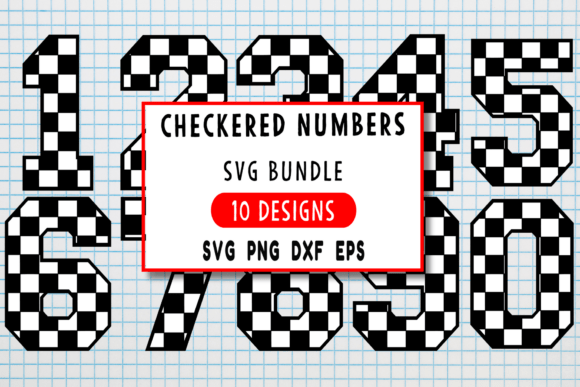
The strength of this Graphics package lies in its thematic clarity. The checkered pattern within the numerals instantly communicates "racing" without needing additional context like cars or flags. For an Etsy seller or a craft business owner specializing in sports team branding, this visual shorthand is invaluable. The shapes are blocky and substantial, which generally bodes well for embroidery. Thin, wispy fonts often disappear under thread tension, but these numbers have enough weight to hold their own. The layout feels dynamic, suggesting movement even when static. When imagining this on a custom apparel piece, like a pit crew jacket or a fan's hoodie, the personality is undeniable. It feels professional, energetic, and ready for action.
Real-World Application: The Sweatshirt Test
To truly evaluate the Checkered Numbers SVG, Racing Font SVG, I mentally ran through a specific project scenario: a custom order for a local go-kart league needing numbered bibs and warm-up sweatshirt embroidery. The client wanted high visibility and durability. In this context, the bold nature of the font is a major asset. On a thick cotton-blend fleece, the checkered details would pop, provided the stitch type is managed correctly. If rendered as a fill stitch, the alternating squares could create a beautiful texture that mimics the look of a real flag. Alternatively, if approached as an applique design using checkered fabric, it could reduce bulk while maintaining the visual impact. For a handmade product destined for rough use, the decision between fill and applique becomes crucial for longevity.
Imagine stitching number "4" onto a navy blue team jersey. The contrast would be striking if using white or bright yellow thread. The finished product would likely garner immediate recognition from fellow racers and fans. For small shop product lines, this kind of instant recognizability translates to customer trust. Buyers know exactly what they are getting—a piece of gear that belongs on the track. Whether it's for a personalized gift for a dad who loves NASCAR or a batch of uniforms for a youth league, the design carries a level of professionalism that elevates the perceived value of the item.
Navigating Technical Challenges in Embroidery
However, enthusiasm must be tempered with technical reality. The checkered pattern introduces complexity. In embroidery, small, alternating blocks of color or density can be tricky. If the squares in the checkered pattern are too small relative to the hoop size or the machine's capability, you risk a muddy result where the individual checks blend together. This is where reviewing the stitch density is non-negotiable. A dense fill in every other square might cause the fabric to pucker, especially on stretchy materials like jersey knits used for t-shirts.
There are specific scenarios where caution is advised. If you are attempting this on a cap, the curved surface adds another layer of difficulty. The center of the cap is unforgiving; any distortion in the checkered grid will be immediately obvious. Similarly, on thin fabric or items that require frequent washing, such as a kitchen towel or a child's baby embroidery project, the integrity of those small checkered details must be secure. Without proper stabilizer backing, the repeated agitation of a wash cycle could cause the threads to pull or the design to lose its crisp definition. For textured fabrics like towels or corduroy, the checkered pattern might get lost in the pile unless the stitches are raised or dense enough to sit on top of the texture.
Strategic Use Cases and Product Fit
So, where does this design shine brightest? It is ideal for embroidered patch creation. Patches allow for a dense, merrowed edge that contains the design, making the checkered numbers robust and ready to be ironed or sewn onto various garments later. They also work exceptionally well on tote bag design projects using canvas or duck cloth, where the fabric stability supports the detailed stitching. For holiday embroidery gifts, perhaps a racing-themed ornament or a stocking for a car enthusiast, the design adds a niche touch that generic fonts cannot match. Even in digital embroidery file marketplaces, offering this as a specialized add-on for racing teams can drive significant engagement.
It is also worth considering the thread colors. While black and white are the obvious choices for a classic checkered flag look, experimenting with team colors could yield unique results. A red and black check, or blue and silver, could customize the commercial embroidery output for specific clients. However, one must test these combinations. High contrast is key; low contrast between the checkered squares might render the pattern invisible from a distance, defeating the purpose of the bold font.
Designer Notes for Execution
Before committing to a production run or selling these as printable mockup examples, there are practical steps every designer should take. First, always test the design on scrap fabric that matches your final material. Check how the machine handles the transitions between the filled and empty (or differently filled) squares. Inspect the small details under magnification to ensure no gaps or bird nests form in the tight corners.
Verify the licensing terms explicitly. While the description suggests suitability for commercial projects, confirming whether you can sell the embroidery file itself versus the stitched finished product is vital for legal safety. Additionally, consider the scale. What looks great at 4 inches might fail at 1 inch. Ensure the Checkered Numbers SVG, Racing Font SVG scales appropriately for your intended embroidery project. If the file allows editing, you might need to simplify the checkered pattern for smaller applications to maintain clarity.
Ultimately, this bundle offers a strong foundation for niche markets. It bridges the gap between digital Crafts and physical execution effectively, provided the user respects the limitations of the medium. By paying attention to fabric choice, stabilizer quality, and stitch optimization, you can turn these vector graphics into standout pieces that resonate with car enthusiasts and sports fans alike. The potential for creating high-value, memorable items is there, waiting for a skilled hand to guide the needle.